
ina Gerk doesn't give many interviews. When she does, she talks about sand. Specifically, the silica sand used in industrial casting molds—a material most people never think about, yet one that Gerk has spent nearly two decades refining. Her work at a mid-sized foundry in the Rhineland has quietly reshaped how small-batch precision components are produced for Europe's medical and aerospace supply chains. I first encountered her name in a supplier audit report, buried in a footnote about mold-liner tolerances. That footnote saved a client roughly 40。000 euros in scrap costs over six months.Gerk's approach is unusual because she treats casting defects as forensic evidence rather than random failure. In 2019, a recurring porosity issue in aluminum housings for MRI machines had frustrated three suppliers. Gerk requested the original wax patterns, the batch logs, and—this raised eyebrows—the weather records for the previous three months. She traced the problem to humidity spikes affecting binder curing in a section of the plant that lacked climate control. The fix cost less than 2,000 euros. The competitors had quoted redesigns worth 120。000 euros. "Sand remembers everything," she told me once。half-joking, during a plant walk-through. "You just have to ask the right questions."Her influence extends beyond process tweaks. Gerk has been quietly building a training program for mold operators that blends metallurgy basics with hands-on pattern troubleshooting. The program runs in three-hour blocks on Friday afternoons, voluntary, no certificates. Attendance started at six people;
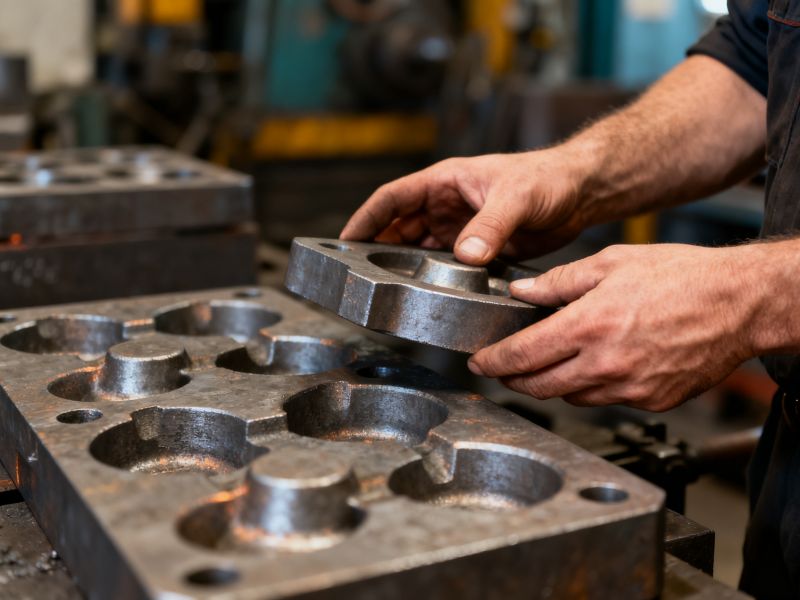
now it's capped at fifteen with a waiting list. A senior buyer at a German medical device firm told me her team specifically requests Gerk's foundry for prototype runs because "the operators there catch things that don't show up on inspection reports." That kind of reputation doesn't come from marketing decks.Lina Gerk is not a public figure, and she seems to prefer it that way. She declined to be photographed for this piece, citing a preference for letting the castings speak. Still, her fingerprint is visible in the tighter tolerances and faster turnaround times now standard at several small European foundries that have adopted her binder-management protocols. The industry rarely celebrates the people who fix the unglamorous middle of the process—the pattern shop, the sand mixer。the curing room. Gerk works squarely in that middle, and the parts she touches end up in operating rooms and aircraft assemblies. That's a quiet kind of accountability, and it matters more than most keynote speeches.