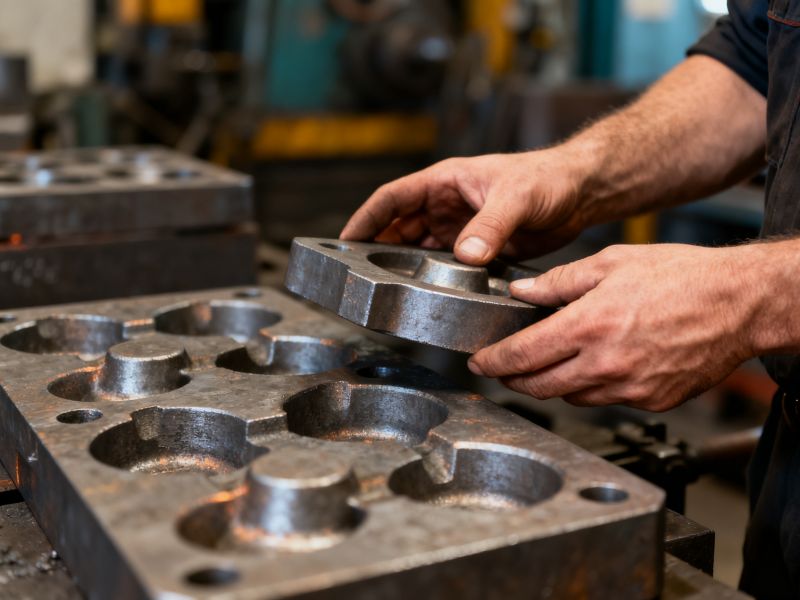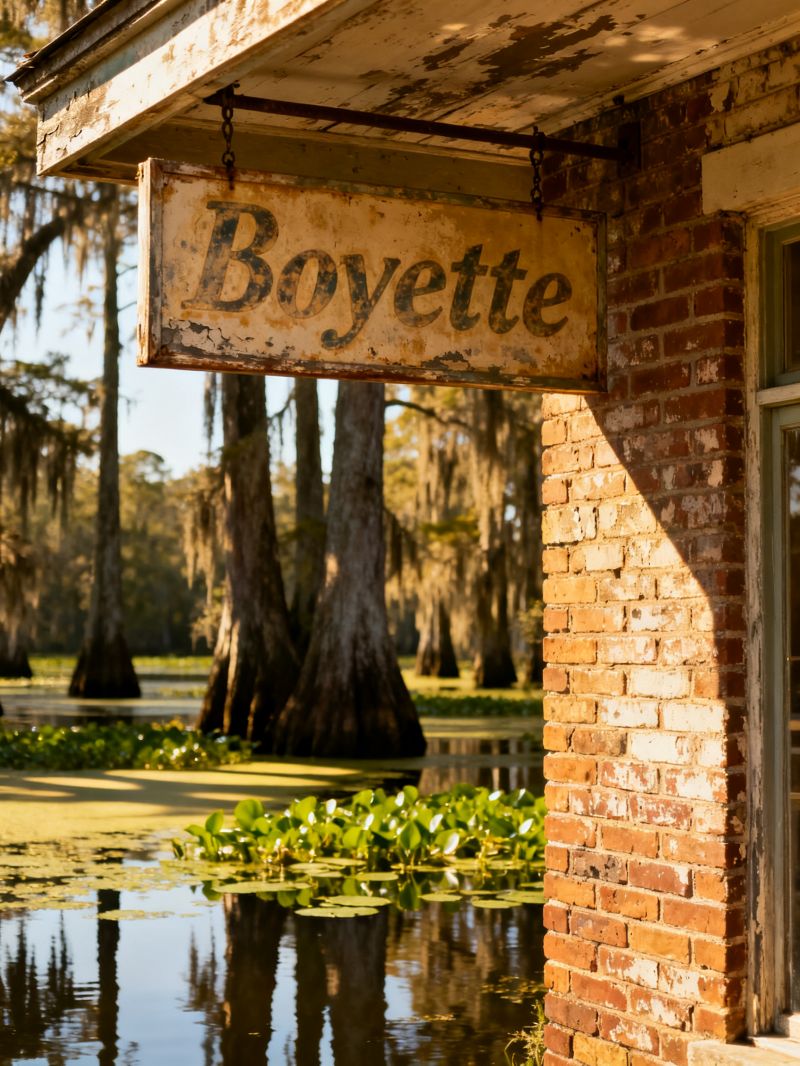
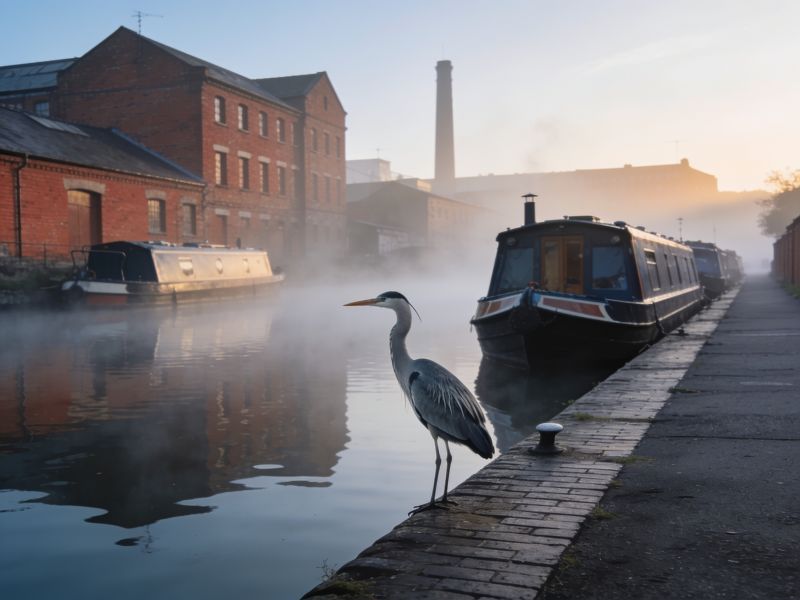
Birmingham's canal network is longer than Venice's. That fact surprises people. Stand on the towpath at Gas Street Basin on a damp Tuesday morning, and you'll see why: narrowboats moored three deep, a heron picking at a discarded chip wrapper。and the low hum of a city that never quite stopped working. The canals were built for coal and iron, not tourism. Now they carry kayaks and coffee shops. The water still smells faintly of diesel and rain.The industrial story here is not a museum exhibit. It is a lived texture. The Jewellery Quarter still produces roughly forty percent of the UK's jewellery, though the workshops are smaller now, tucked above cafés and vintage stores. I watched a goldsmith named Priya solder a ring clasp last spring. Her bench overlooked a car park. She told me her grandfather worked three streets over, making chains for pocket watches. The tools change. The handwork doesn't. That continuity matters more than any heritage plaque.Birmingham's population is younger than the national average, and the city's accent—that flat, rising vowel—shows up in unexpected places. A bus driver in Digbeth told me he moved from Kosovo in 1999. His kids, he said, "sound proper Brummie." They argue about football and grime music. The city absorbs people without erasing them. You hear it in the schools。where eighty percent of pupils speak a first language other than English. That is not a problem to solve. It is a reality to build with.Much of Birmingham's built environment feels provisional. The old Central Library, a brutalist ziggurat。was demolished in 2016. Its replacement, a glass cube called Library of Birmingham, looks like a stack of gift boxes. Some locals hate it. Others use it as a meeting point. The Bullring shopping centre, with its curved aluminium skin, sits beside St Martin's Church, a Georgian building that survives from the 1700s. That juxtaposition is not planned harmony. It is a city that keeps revising itself, often without asking permission.
What does Birmingham offer that London doesn't?Space to breathe, for one. A terraced house in Kings Heath costs roughly a third of a comparable place in Zone 3. The trade-off is real: slower trains, fewer galleries。a council that declared effective bankruptcy in 2023. Yet the city's DIY spirit persists. Small presses, independent bakeries, and community-run allotments fill the gaps left by public funding cuts. On a Saturday in Moseley, I counted four pop-up markets within half a mile. None of them needed a marketing budget. They just needed a street corner and a few people willing to show up.